English version below: When Language Creates Community
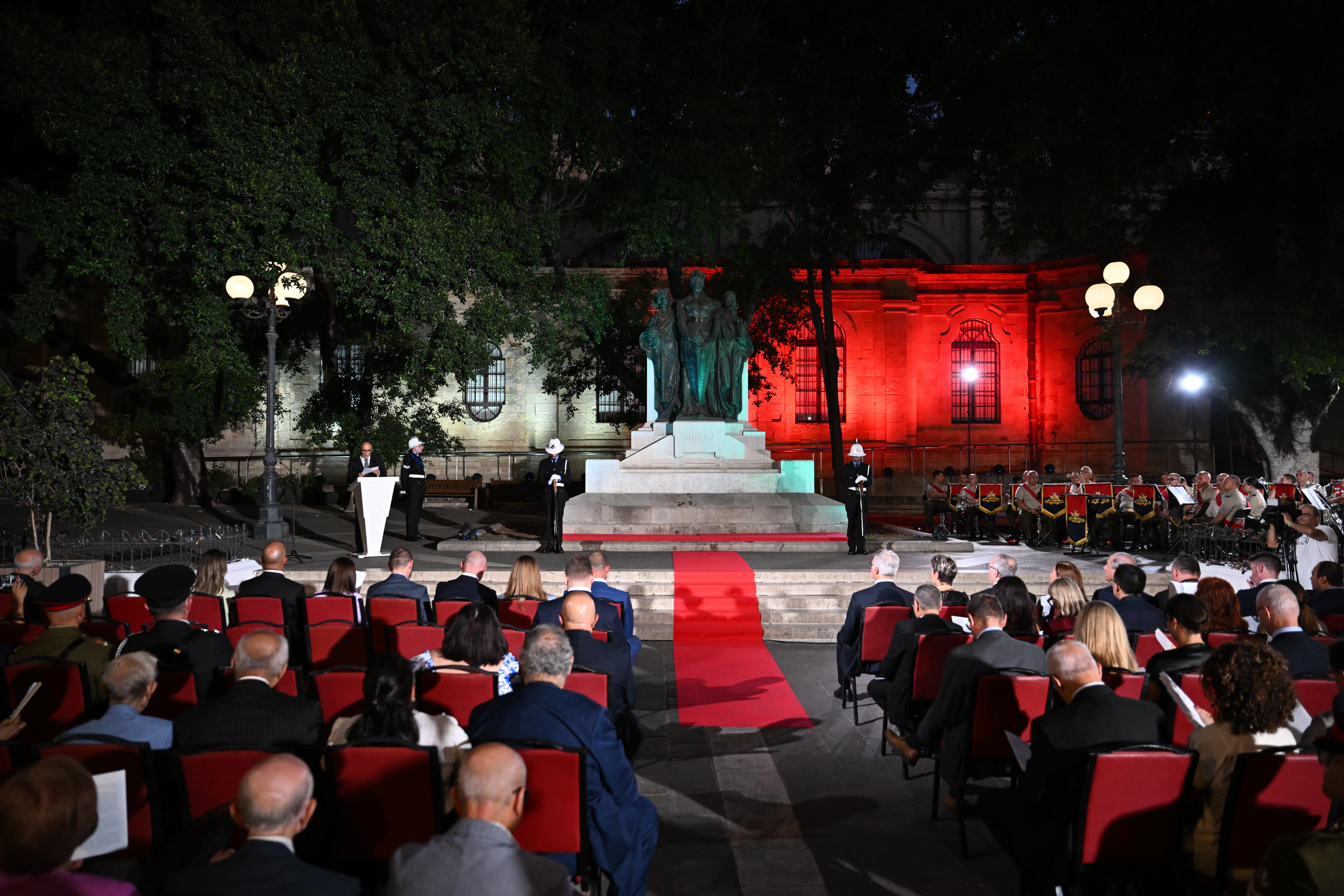
Lejla ta’ Tifkira, 2026, Misraħ l-Assedju l-Kbir, Il-Belt Valletta, It-Tnejn, 7 ta’ Settembru, 2026 | Diskors fl-Okkażjoni tat-8 ta’ Settembru, 2026 mill-Prof. Adrian Grima, Kap tad-Dipartiment tal-Malti fl-Università ta’ Malta
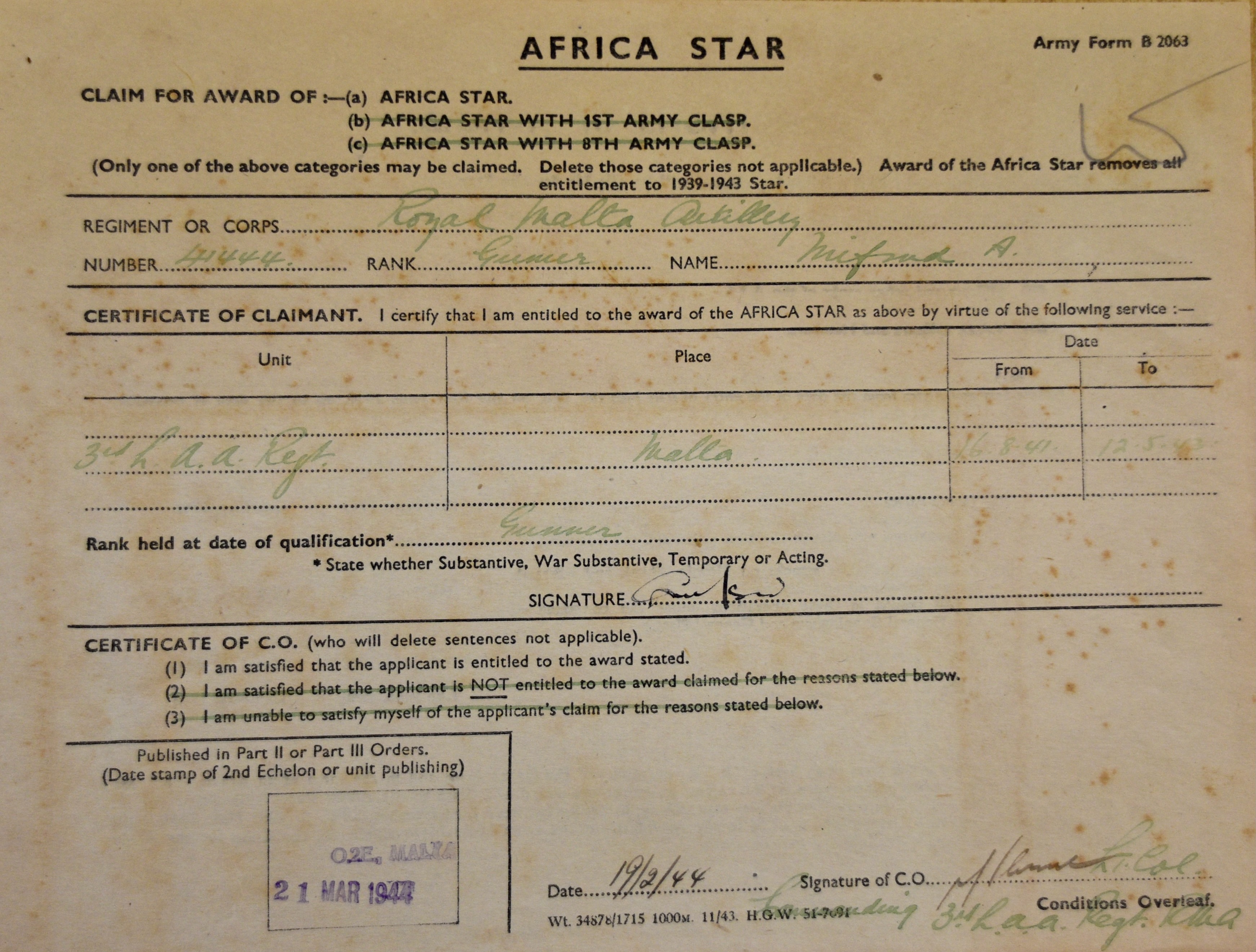
Dan huwa filmat tad-diskors tal-Prof. Adrian Grima, bl-isem ta’ “Meta l-Lingwa Toħloq Komunità,” li sar waqt il-kommemorazzjoni uffiċjali ta’ Jum il-Vitorja 2026 f’Misrah l-Assedju l-Kbir, il-Belt Valletta, nhar it-Tnejn 7 ta’ Settembru 2026. Ħajr lil Nathalie Grima tar-recording u lil Samuel Attard tal-editing.
Dan, min-naħa l-oħra, huwa recording li sar qabel is-serata tad-diskors tiegħi, bl-isem ta’ “Meta l-Lingwa Toħloq Komunità,” waqt il-kommemorazzjoni uffiċjali ta’ Jum il-Vitorja 2026 f’Misrah l-Assedju l-Kbir, il-Belt Valletta, nhar it-Tnejn 7 ta’ Settembru 2026.
Il-ktejjeb li pproduċa Festivals Malta u l-kliem tad-diskors issibuh hawn taħt.
Onorevoli Prim Ministru, Mistiedna Distinti,
Għeżież Maltin, Għawdxin u dawk kollha li qed jgħixu fostna,
Illum qed niċċelebraw l-istorja u għalhekk nixtieq nibda bi storja. Għax l-istorja l-kbira jagħmluha l-istejjer iż-żgħar, kollox meħjut flimkien bil-kliem. Fejn m’hemmx kliem, m’hemmx storja, u fejn m’hemmx storja, m’hemmx l-esperjenza ta’ komunità, m’hemmx l-ideal li joħloq nazzjon.
Gunner Arthur Mifsud
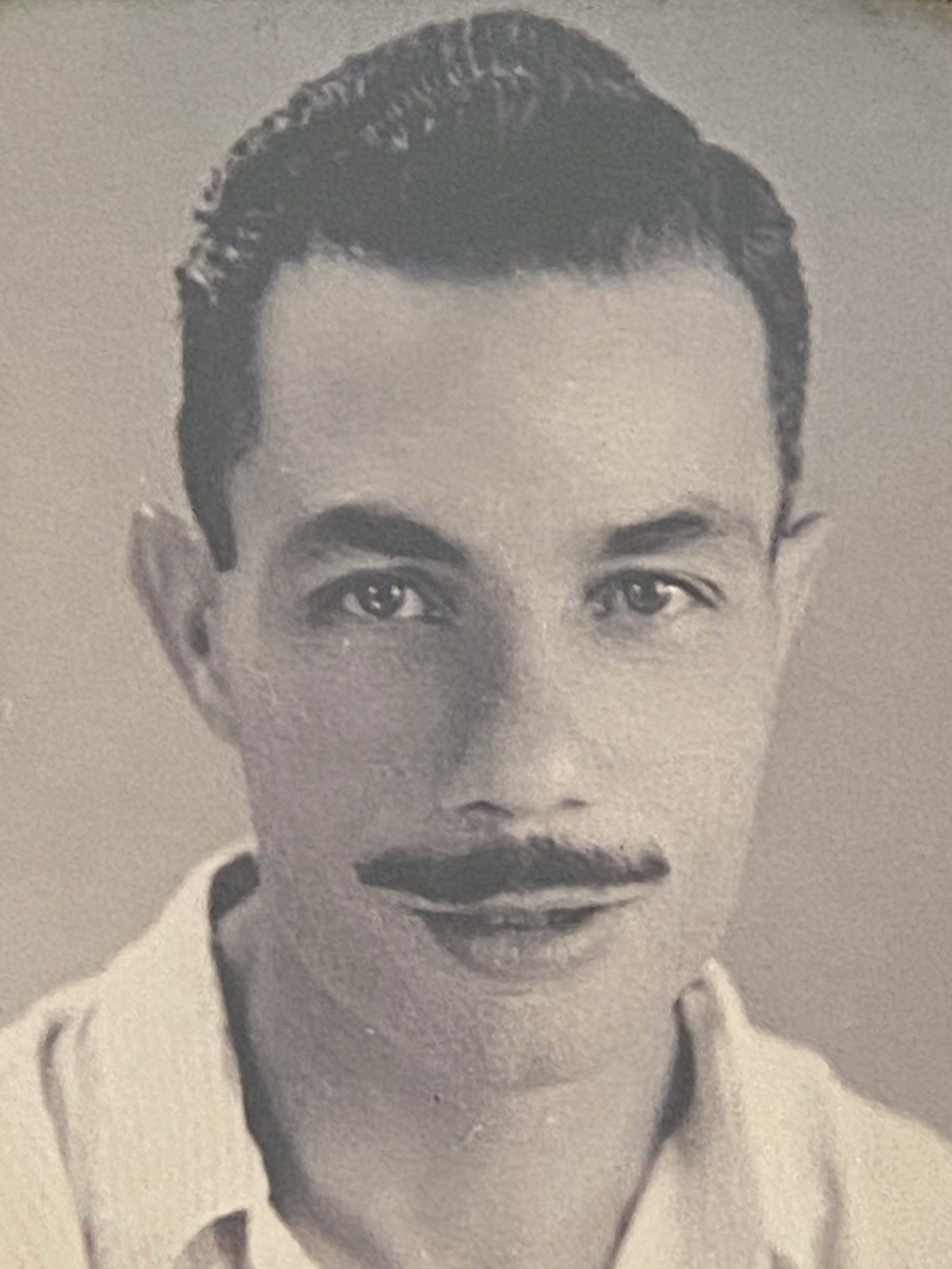
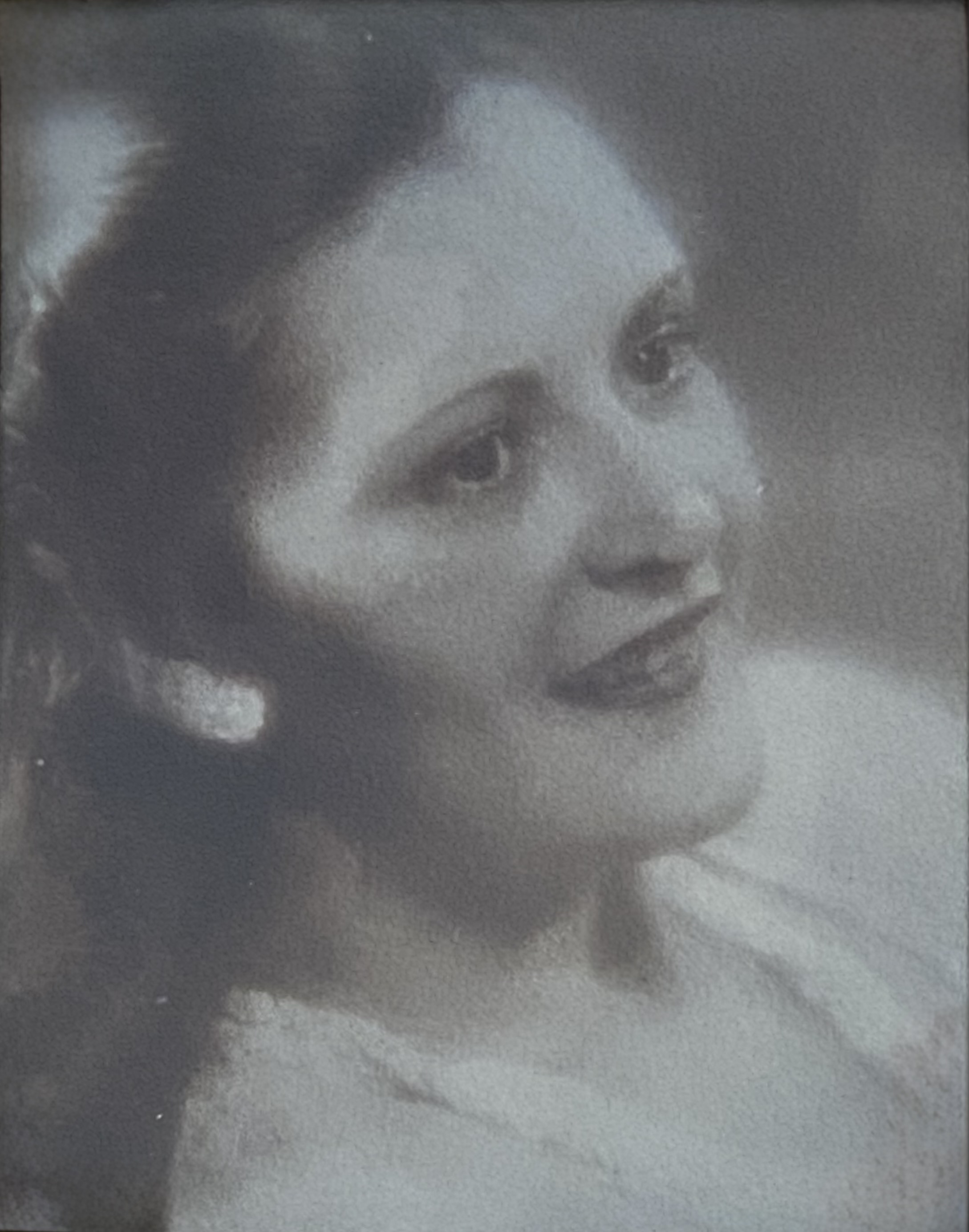
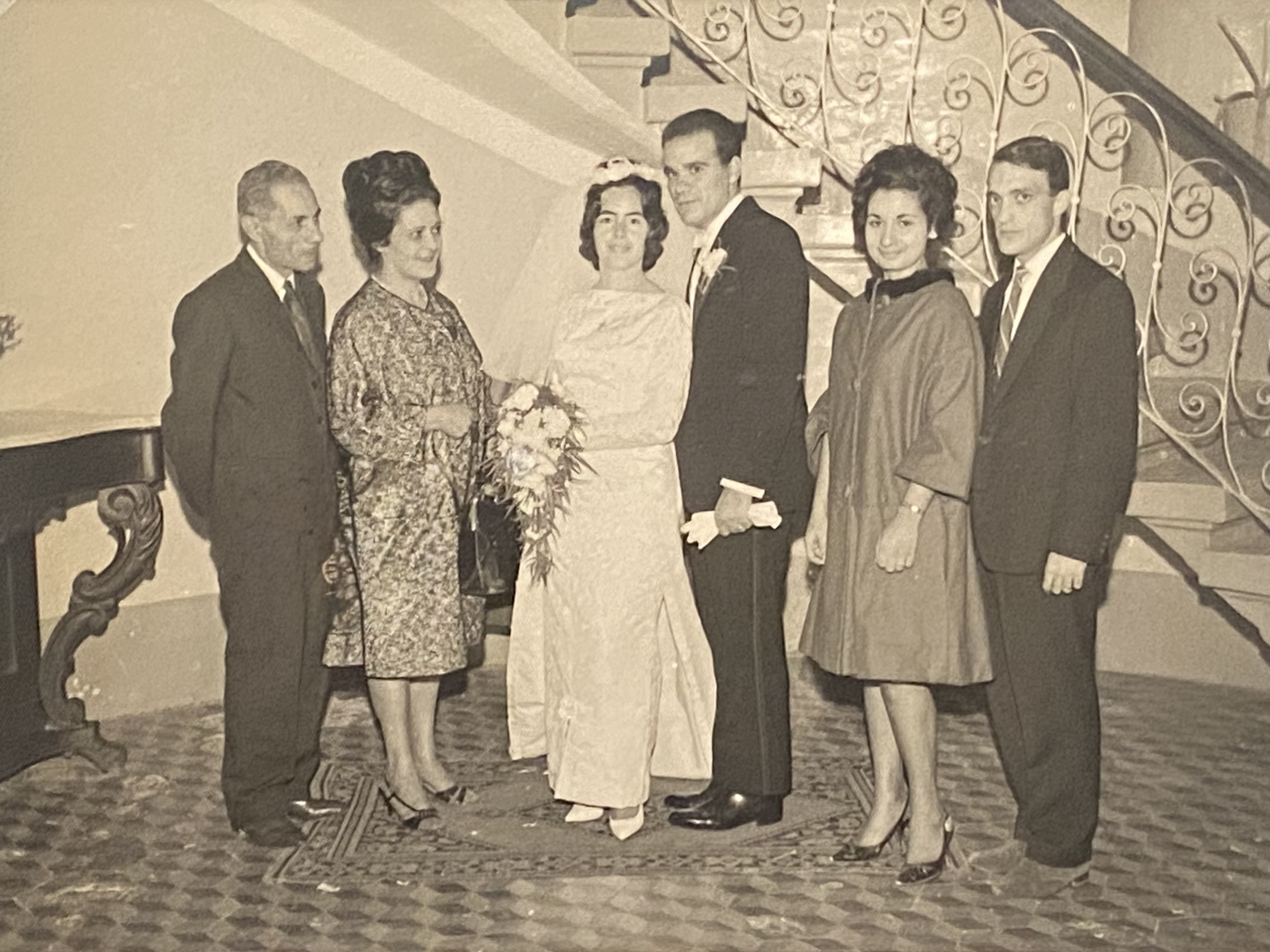
Fit-Tieni Gwerra Dinjija, in-nannu Arthur, missier ommi, kien gunner mar-Royal Malta Artillery. Dak li naf fuqu fi żmien il-Gwerra smajtu mingħand ommi, u ommi semgħetu mingħand ommha, in-nanna Nina. Ilħaqtha sew lin-nanna. Kienet mara indipendenti, intraprendenti, ta’ rasha. In-nannu nixtieq ngħid li niftakru mqar ftit, imma ma niftakru xejn. Twieled fl-1913 u miet fl-1971. Jien kelli tliet snin. Meta żżewweġ lin-nanna fl-aħħar ta’ Mejju tal-1942, kien diġà nqabad bil-lieva. Kien mat-3rd Light ACK ACK tal-RMA, ir-riġment li kellu f’idejh il-kanuni li kienu jipproteġu l-kosta tan-naħa t’isfel ta’ Malta. Iżżewġu fl-eqqel tal-gwerra: Bejn Diċembru tal-1941 u April ta’ wara, xahar qabel iż-żwieġ tagħhom il-Gżira, l-ajruplani tal-għadu ħabtu għal Malta lejl u nhar għal ħames xhur sħaħ. Dakinhar stess li żżewġu, il-Mosta mietu tliet subien, tnejn ta’ ħdax u l-ieħor ta’ tnax-il sena. Id-dar li krew ħdejn is-Savoy Hotel il-Gżira, iġġarrfet qabel ma laħqu daħlu fiha.
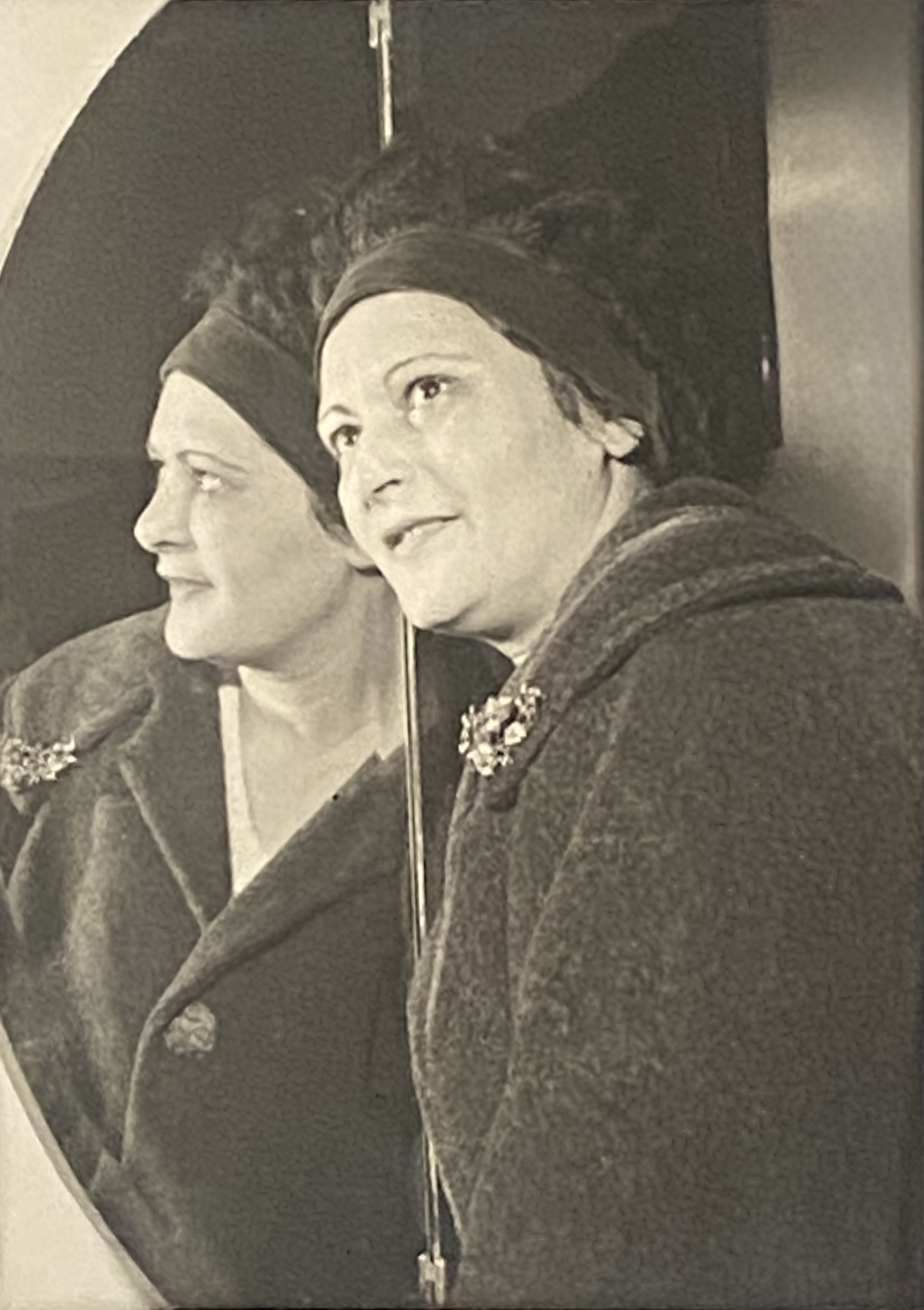
Imma t-traġedja l-kbira tal-familja tagħna fil-gwerra seħħet ftit ġimgħat wara ż-żwieġ, il-Ġimgħa 26 ta’ Ġunju 1942. Fl-air raid nru 2627, bejn il-Ġnien tal-Gżira u l-Ponta ta’ Ta’ Xbiex inqatlu tnax-il ruħ u ndarbu tnax oħra. Fost il-mejtin kien hemm iż-żewġ aħwa ż-żgħar ta’ nannti Nina, Mary Tanti ta’ sbatax u Concetta Tanti ta’ tlettax. It-telfa tagħhom baqgħet migrufa f’qalbha ħajjitha kollha.
Is-sena ta’ wara, f’Novembru tal-1943 twieldet ommi Doreen, l-uniku wild, xahrejn wara t-tmiem tal-gwerra li qed infakkru llum. Missieri Alfred twieled l-Imdina, fil-bidu tal-gwerra, f’Novembru tal-1940. Kienu refuġjati minn San Ġiljan. Il-gwerra kissret il-pajjiż u kompliet faqqret lill-Maltin. Minħabba t-taqlib soċjali li ġabet l-emigrazzjoni ta’ eluf ta’ nies mill-inħawi ta’ madwar il-portijiet, bdew jitħalltu flimkien it-tipi differenti ta’ Malti li kienu jitkellmu fl-irħula u l-ibliet.
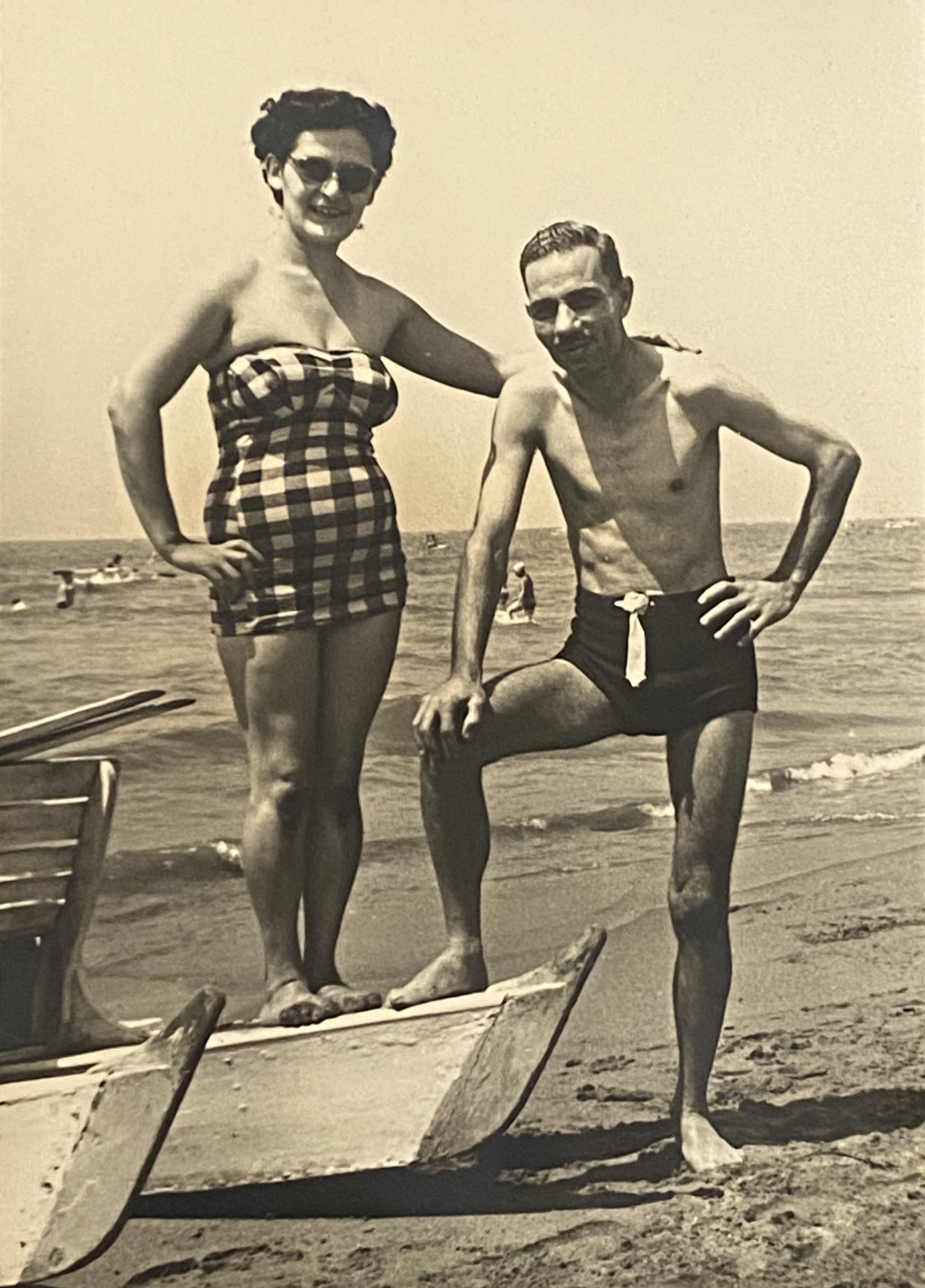
Gunner Arthur Mifsud ma tantx kien maqtugħ għall-uniformi u l-kanuni, u mal-RMA aktarx kien jagħmel xogħol ta’ skrivan. Ommi tiftakru bniedem kwiet, dejjem jaqra t-Times of Malta (1935–) u Il-Ħelsien (1959-1967), u kollezzjonista kbir tal-bolli. Wara l-gwerra baqa’ jaħdem mas-Servizzi bħala store keeper u assistant foreman. Meta nannti twebblet tiftaħ ħanut tal-ħwejjeġ u d-drappijiet, in-nannu Arthur kien jieħu ħsieb il-kotba, jagħmel l-ordnijiet mingħand l-aġenti, u jmur id-Dwana biex jimla l-karti u jġib l-ordni. Ommi tgħid li magħha kien bniedem ta’ ftit kliem, kif kienu ħafna missirijiet dak iż-żmien. Kien jieħu ħsiebha, u dejjem jara kif jgħinha, imma ta’ ftit kliem. Iktar kien jitkellem man-nanna u ma’ sħabu tal-bolli.
L-ewwel lingwa tiegħu kienet il-Malti, u mbagħad l-Ingliż. It-Taljan kien jafu imma ma kienx parti mill-kultura tiegħu. Il-familja Mifsud kienet iktar ixxaqleb lejn l-Ingliż, lingwa li n-nannu tgħallimha l-iskola u minn fuq ix-xogħol. Nannti kienet iktar midħla tat-Taljan. Imma l-lingwa ewlenija tat-tnejn li huma kienet il-Malti u bil-Malti rabbewha lil ommi.
Illum napprezza ħafna l-Malti li ħadt mingħand ommi u missieri u li huma ħadu mingħand il-ġenituri tagħhom. Huwa parti essenzjali minn dak li jiddistingwini bħala persuna, bħala Malti, u bħala wild il-Mediterran. Fih hemm kultura sħiħa għax trabba hawn, fil-pajsaġġ u t-temperament tagħna, fir-riħ fuq u r-riħ isfel tar-relazzjonijiet bejn il-ġnus, il-kulturi u l-ilsna li ltaqgħu hawn, f’dawn il-gżejjer.
L-Ekosistema tal-Malti
Jien għalija grazzja kbira li nisma’ lil ommi tirrakkontali dawn l-istejjer bil-lingwa li kapaċi tfisser il-ħsibijiet u l-esperjenzi tagħna. Permezz tal-Malti niltaqa’ ma’ nannuwi għax nitkellmu, biex ngħid hekk, l-istess lingwa. Din il-grazzja nħossha wkoll meta nkellem lin-neputijiet bil-lingwa tagħna, anki lil Julian u Lucas li jgħixu Melbourne, u lil Ben, Zach u Nicky li għadhom trabi tad-dirgħajn. Il-lingwa toħloq kompliċità għax minbarra ħoss u tifsir, tittrażmetti sentiment, u kapaċi ġġib lill-bnedmin flimkien fi spazju intimu ta’ ftehim.
F’dawn l-aħħar tmenin sena, minn żmien in-nanniet tiegħi, l-ilsien tal-poplu stabbilixxa ruħu wkoll bħala l-ilsien nazzjonali, qabel kull ilsien ieħor. Issa daħal f’kull qasam tal-ħajja u f’kull istituzzjoni, mill-qrati sal-knejjes, mill-iskejjel sal-Università, mill-kunsilli lokali sal-Parlament. Din mixja li jekk ninsewha, nitfixklu f’saqajna.
Dawk li għandhom ħakma tajba tal-Malti u ta’ lingwi oħra għandhom iktar minn lingwa waħda biex jifhmu u jfissru d-dinja, iktar modi kif jesprimu ruħhom, u iktar għodda biex jifhmu l-kulturi u l-komunitajiet ta’ madwarhom. Għalhekk għandhom iktar opportunitajiet fid-dinja kumplessa tax-xogħol. Imma ironikament, xi ġenituri Maltin u xi nanniet qed jagħżlu li jkellmu lil uliedhom u lin-neputijiet bl-Ingliż biss u jċaħħduhom mil-lingwa tagħhom.
Mhux xieraq li nagħmel analiżi soċjolingwistika komprensiva hawnhekk. Dawk affarijiet li r-riċerkaturi u l-istudenti tad-Dipartiment tal-Malti jagħmluhom regolarment, fosthom mal-Kunsill Nazzjonali tal-Ilsien Malti u l-Uffiċċju Nazzjonali tal-Istatistika. Miċ-ċensimenti u l-istħarriġ tal-opinjoni pubblika, bħal dak li jsir kull sena għall-Istat tan-Nazzjon, il-Malti joħroġ b’saħħtu ħafna bħala l-ewwel lingwa tal-Maltin: kważi 96% jgħidu li l-Malti huwa l-ewwel lingwa tagħhom, waħdu jew flimkien mal-Ingliż. Imma fost iż-żgħar l-istampa qed tinbidel. Iktar minn terz taż-żgħażagħ bejn is-16 u l-25 sena jqisu kemm il-Malti u kemm l-Ingliż bħala l-ewwel lingwa tagħhom.
Meta nitkellmu fuq il-lingwa, f’dal-każ il-Malti, mhux qed nitkellmu fuq realtà waħda. Ngħidu aħna, hemm differenzi importanti fl-istatistika fejn jidħol it-taħdit, li fih jispikka l-Malti, u l-kitba u l-qari, fejn jintuża ħafna l-Ingliż. Hemm ukoll il-fatt li t-tfal, fuq l-iscreens iż-żgħar li ċekknu d-dinja tagħhom, qed jikkunsmaw sigħat sħaħ ta’ filmati u materjal ieħor bl-Ingliż. Barra minn hekk, terz tal-popolazzjoni f’pajjiżna twieldu barra, u għalhekk, fil-biċċa l-kbira, ma jafux sew bil-Malti. Dan ifisser li persentaġġ kbir ta’ tfal fl-iskejjel, speċjalment tal-Istat u l-Privat, huma tfal li l-ewwel lingwa tagħhom mhix il-Malti. Fl-iskejjel tal-Kulleġġ Santa Klara, ngħidu aħna, hemm iktar studenti barranin (1169) milli Maltin (896).
Ħafna nies jaħsbu li minħabba l-preżenza qawwija ta’ nies ta’ nazzjonalità barranija, l-Ingliż huwa l-unika lingua franca possibbli, għax, tajjeb jew ħażin, bl-Ingliż tinqeda. Imma dan mhux minnu għax hemm Maltin li l-Ingliż ma jaqdihomx u barranin li jew ma jafux bl-Ingliż jew jippreferu l-Malti, bħal dawk li l-ewwel lingwa tagħhom hija l-Għarbi. Wasal iż-żmien li nibdew inħarsu lejn il-Malti bħala lingua franca wkoll u mhux bħala l-lingwa ta’ bejn il-Maltin biss.
L-edukaturi issa ilhom is-snin iwissuna li jekk ma’ wliedna ż-żgħar nitkellmu bl-Ingliż biss, din il-lingwa tagħna li ilha tikber u tisbieħ elf sena tista’ tisparixxi fi ftit ġenerazzjonijiet. Ħafna kummentaturi fuq il-mezzi soċjali u fil-mezzi tax-xandir tradizzjonali qed ibassru l-mewt, mhux fil-bogħod, tal-Malti. Dan suġġett li jqanqal ħafna emozzjonijiet. Jien nemmen li l-Malti mhux se jmut, imma jista’ jkun li aħna l-Maltin stess noqtluh.
It-telfa ta’ lingwa mhix sempliċiment kwistjoni ta’ musmar jaqla’ l-ieħor, ta’ bandiera tperper flok oħra. It-telfa ta’ lingwa hija bidla mill-qiegħ fil-mod kif naħsbu, kif nifhmu u nirrakkontaw l-esperjenzi u l-emozzjonijiet, kif ninterpretaw ir-relazzjonijiet ta’ bejnietna u mal-ħolqien. Il-lingwa tal-post hija parti integrali mill-ekosistema tal-post. Meta taqla’ siġra li taf il-ħamrija, l-irjieħ, l-għasafar, l-insetti, u l-ħlejjaq kollha tal-post, u minflokha tħawwel siġra minn band’oħra, tkun qed tbiddel l-ekosistema kollha bla bżonn. U titlef ferm iżjed milli tirbaħ. Ovvjament, mhux qed ngħidu l-Malti flok l-Ingliż, imma l-Malti, u miegħu l-Ingliż u kwalunkwe lingwa oħra. Għax il-lingwi minn dejjem kienu rikkezza u parti importanti mill-kultura tagħna.
Impjiegi Ġodda u l-Perċezzjoni tal-Malti
Imbagħad hemm ir-realtà kumplessa tad-dinja diġitali, dejjem mgħaġġla, ma tistenna ’l ħadd. Hija d-dinja tan-neputijiet, imma tal-kbar ukoll, għax fix-xogħol irridu nkunu dejjem aġġornati, u min ma jbiddilx iqammel. Għall-futur tal-Malti, id-dinja diġitali importanti ħafna. Irridu nipproduċu iktar kotba, filmati, logħob, poddati, u teknoloġija bil-Malti, speċjalment għaż-żgħar. Imma l-ebda teknoloġija ma tista’ tieħu post il-maġija ta’ meta missier jaqbad parlata ma’ bintu, meta nanna tgħid storja lin-neputi, meta t-tfal, bis-saħħa tal-kelma, jilagħbu, jiċċajtaw, jiftiehmu, ma jiftehmux, jilletikaw u jagħmlu paċi. Lingwa tibqa’ ħajja mhux biss għax tkun fuq screen, imma għax tibqa’ tgħaddi minn fomm għal fomm.
Għalija l-isfida ewlenija għall-Malti mhix il-preżenza tal-barranin, li minn dejjem kellna fl-istorja tagħna, jew is-saħħa tad-dinja diġitali bl-Ingliż. L-isfida l-kbira hija kemm aħna bħala ġenituri, nanniet, zijiet, u edukaturi se nitkellmu mat-tfal bil-Malti fil-kuntesti naturali ta’ kuljum. Kemm se nkunu ta’ eżempju aħna. Din ir-responsabbiltà rridu nerfgħuha aħna, mhux nistennew li jerfagħhielna dak l-iscreen iż-żgħir.
Bħala Dipartiment tal-Malti fl-Università, li s-sena d-dieħla jagħlaq disgħin sena, din ir-responsabbiltà qed nerfgħuha. Bl-appoġġ tar-Rettorat u l-kollegi tagħna fl-amminstrazzjoni, qed ngħallmu l-lingwa, il-letteratura u l-kultura orali lil mijiet ta’ studenti, fosthom ħaddiema Maltin u barranin, u persuni minn kull rokna tad-dinja. Sentejn ilu bdejna naħdmu fuq Dizzjunarju diġitali nazzjonali tal-Malti b’xejn, għal kulħadd u aċċessibbli minn fuq kull tip ta’ tagħmir elettroniku. Dizzjunarju tas-seklu wieħed u għoxrin bil-Malti u l-Ingliż li jistrieħ ukoll fuq storja ta’ erba’ mitt sena ta’ dizzjunarji tal-Malti.
Mal-istudenti u l-gradwati tagħna qed immexxu għexieren ta’ proġetti ta’ riċerka biex dejjem inkabbru l-għarfien tal-Malti u nifhmu l-iżviluppi kontinwi li qed iseħħu fih. U qed naħdmu mill-qrib ma’ entitajiet u individwi barra mill-Università u barra minn Malta biex l-istudju tal-Malti jkompli jinfirex u jissaħħaħ, f’kull livell.
Imma l-futur tal-Malti jiddependi wkoll minnkom, il-mexxejja tal-pajjiż. Jiddependi mill-viżjoni, ir-rieda u t-tmexxija tagħkom. Fl-2005 il-Parlament Malti, b’mod unanimu, waqqaf il-Kunsill Nazzjonali tal-Ilsien Malti biex imexxi l-politika dwar l-ilsien nazzjonali. Huwa magħmul minn lingwisti, edukaturi, tradutturi, u rappreżentanti ta’ istituzzjonijiet u entitajiet ewlenin u tal-għaqdiet tal-Malti. Imma l-Kunsill ilu wieqaf sentejn u t-tort huwa tal-Gvern. Għax kunsill nazzjonali ma jistax jiffunzjona mingħajr uffiċċju, mingħajr impjegati, mingħajr fondi, u mingħajr ir-rispett u l-appoġġ bla tlaqliq tal-Gvern. Ta’ kull gvern.
L-Att dwar l-Ilsien Malti huwa ċar dwar dak li hemm bżonn: m’hemmx bżonn diskussjoni. Il-Kunsill tal-Malti għandu bżonn ir-rispett u l-mezzi li għandhom entitajiet simili bħall-Kunsill tal-Arti u l-Kunsill tal-Ktieb. Imbagħad, wara konsultazzjoni serja u ma’ kulħadd, kif dejjem għamel, il-Kunsill tal-Malti jista’ jibda jfassal politika lingwistika nazzjonali.
Bħala pajjiż investejna ħafna fl-edukazzjoni u l-infrastruttura diġitali. Għalhekk għandna n-nies u għandna l-mezzi biex inkomplu nsaħħu u niżviluppaw l-ilsien nazzjonali. Dan qasam li jista’ joffri opportunitajiet ta’ xogħol. Impjiegi sbieħ mhux biss għan-nies li speċjalizzaw fil-Malti, imma anki għal dawk f’kull qasam tax-xogħol kreattiv, artistiku, xjentifiku, u edukattiv, mill-komunikazzjoni, il-promozzjoni, ix-xandir, it-traduzzjoni, l-interpretar u l-medjazzjoni kulturali, sad-disinn, it-tagħlim, u l-oqsma diġitali. Aħsbu ftit fuq l-impatt li kapaċi jħallu opportunitajiet ta’ xogħol bħal dawn fuq kif il-ġenituri, l-iskejjel, iċ-ċivil u l-kumpaniji jħarsu lejn il-Malti.
Jekk verament nixtiequ li jkollna nazzjon li fil-qalba tiegħu jkun hemm komunità li titkellem u tifhem l-istess lingwa, mhux gżejjer lingwistiċi separati fi ħdan gżira waħda, irridu naħdmu biex iċ-ċittadini kollha ta’ pajjiżna, huma min huma, ġew minn fejn ġew, ikollhom ħakma tajba tal-Malti.
Matul l-istorja, fosthom il-ġrajjiet li qed niċċelebraw illum, f’Jum il-Vitorja, il-Malti ġab in-nies flimkien, u tahom il-kliem u l-espressjonijiet biex jaqsmu l-ħsibijiet u l-esperjenzi tagħhom bħala komunità. L-istorja tagħna titkellem waħedha: Malta b’ħafna lingwi, iva; imma qabelxejn, Malta bil-Malti.
Adrian Grima huwa l-kap tad-Dipartiment tal-Malti fl-Università ta’ Malta, fejn jgħallem il-letteratura Maltija, u lettur tal-Malti fl-INALCO ta’ Pariġi. Kiteb għadd ta’ kotba u artikli speċjalizzati bil-Malti, l-Ingliż u t-Taljan dwar il-letteratura, il-kultura u r-rappreżentazzjoni letterarja tal-Mediterran li xxandru f’Malta u barra. Fl-2013 kien l-editur ġenerali ta’ tliet kotba fis-Sensiela Juann Mamo (SKS) u mexxa l-ewwel konferenza nazzjonali interdixxiplinarja fuq l-awtur. Fl-2025 kien l-editur tal-ewwel edizzjoni tal-eqdem rumanz bil-Malti miktub minn mara, Concetta Brincat, fl-1919, u mexxa konferenza interdixxiplinarja fuqha.
Il-Prof. Grima huwa l-koeditur ta’ The Teacher, Literature and the Mediterranean (Sense, 2014), u awtur, fost l-oħrajn, tal-istudji “The Mediterranean Novel Defying Borders,” wara diskors ewlieni li għamel fl-Università ta’ Oxford, fil-ktieb Minding Borders: Resilient Divisions in Literature, the Body and the Academy (Legenda, 2017), u “Elusive Mediterraneans: Reading Beyond Nation,” fil-ktieb Sea of Literatures: Towards a Theory of Mediterranean Literature (de Gruyter, 2023). Fl-2026 kien mistieden biex jagħti taħditiet akkademiċi fl-Università ta’ Graz u l-Università ta’ Pisa. adriangrima.com
Ħajr lill-Gvern tal-istedina u lil Festivals Malta tal-organizzazzjoni; u ħajr speċjali lill-kollegi George Farrugia, Michael Spagnol u Thomas Pace għall-għajnuna b’dan id-diskors u lil James Baldacchino u l-Arkivji Nazzjonali għall-informazzjoni dwar is-servizz militari tan-nannu Arthur Mifsud
When Language Creates Community
Victory Day Commemorative Evening, 2025, Great Siege Square, Valletta Monday, 7 September 2026 | Oration on the Occasion of the 8th of September 2026 by Prof. Adrian Grima, Head of the Department of Maltese at the University of Malta
Honourable Prime Minister, Distinguished Guests,
Fellow Maltese, Gozitans, and all who reside among us.
Today we celebrate history, and so I should like to begin with a story. For history is woven from smaller, personal stories, bound together by words. Where there are no words, there is no history; and where there is no history, the shared experience of community, the very ideal that creates a nation, cannot exist.
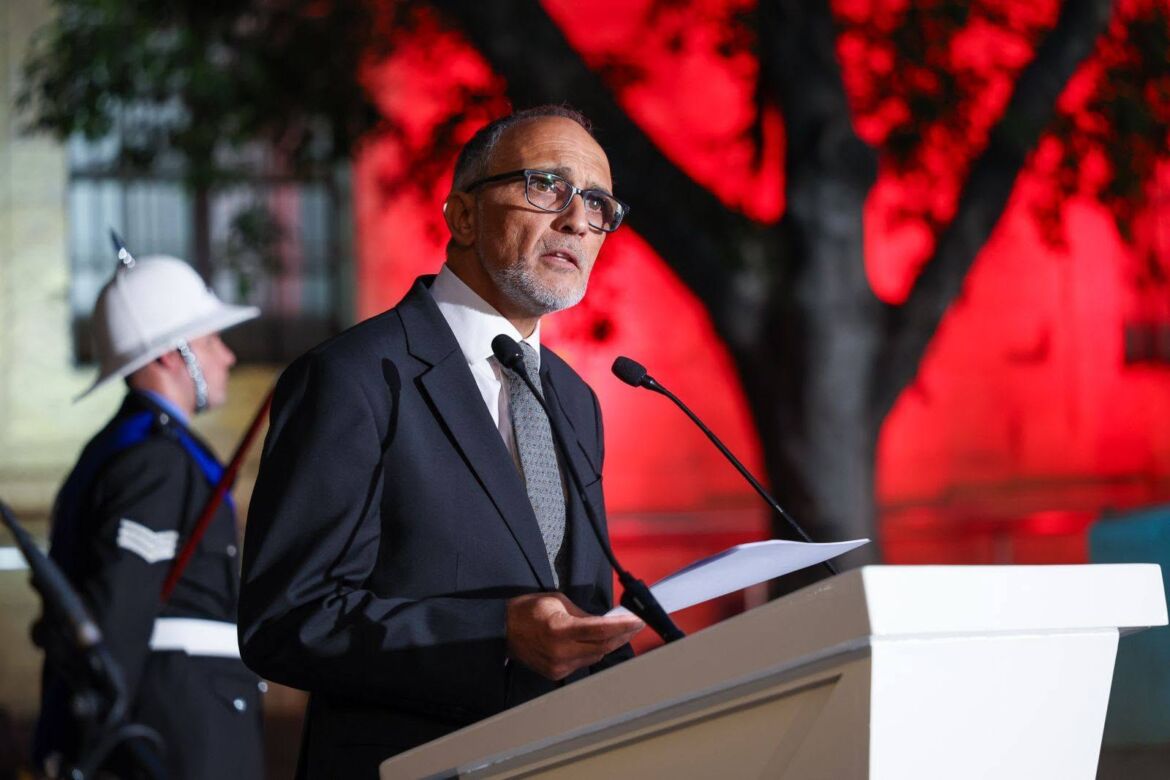
Gunner Arthur Mifsud
During the Second World War, my maternal grandfather, Arthur, served as a gunner with the Royal Malta Artillery. What I know of his war years came through my mother, who in turn heard it from her mother, my grandmother Nina. I knew my grandmother well. She was an independent, enterprising, and headstrong woman. I wish I could say I remember my grandfather, but I do not. Born in 1913, he passed away in 1971 when I was just three years old.
By the time he married my grandmother at the end of May 1942, he had already been conscripted into the 3rd Light ACK ACK Regiment of the RMA, tasked with manning the coastal defence guns in southern Malta. They were wed at the height of the conflict: between December 1941 and April 1942, the month before their wedding in Gżira, enemy aircraft bombarded Malta day and night continuously for five months. On their very wedding day, three young boys, two aged eleven and one twelve, lost their lives in Mosta. The home my grandparents had rented near the Savoy Hotel in Gżira was reduced to rubble before they had even moved in.
Yet the greatest tragedy for our family struck a few weeks later, on Friday, 26 June 1942. During air raid number 2,627, twelve people were killed and twelve injured between the Gżira Gardens and Ta’ Xbiex Point. Among the dead were my grandmother Nina’s two younger sisters, Mary Tanti, aged seventeen, and Concetta Tanti, aged thirteen. Their loss remained an unhealed wound in her heart for the rest of her life.
The following year, in November 1943, my mother Doreen, their only child, was born, two months after the cessation of hostilities we commemorate today. My father Alfred was born in Mdina at the outbreak of war in November 1940, his family having fled as refugees from St Julian’s. The war devastated the country and plunged the Maltese deeper into poverty. Amid the social upheaval brought on by the displacement of thousands from the Harbour region, the distinct varieties of Maltese spoken across the island’s towns and villages began to mingle.
Gunner Arthur Mifsud was perhaps ill-suited to military life and artillery duties. Within the RMA, he served as a clerk. My mother remembers him as a quiet man, an avid stamp collector who faithfully read the Times of Malta (1935–) and Il-Ħelsien (1959–1967). After the war, he remained with the Services as a storekeeper and assistant foreman. When my grandmother set her mind on opening a drapery and clothing shop, Nannu Arthur took charge of the ledgers, placed orders with suppliers, and attended Customs to clear paperwork and shipments. My mother remembers him as an understated man, caring and quick to support her, yet quiet around her in the way of many fathers of his generation. He opened up far more readily with my grandmother and his fellow philatelists.
His first language was Maltese, followed by English. He had a good grasp of Italian, but it formed no part of his cultural milieu. The Mifsud family leaned towards English; my grandfather acquired it at school and in the workplace. My grandmother was more conversant in Italian. Yet the primary language for both remained Maltese, and it was in Maltese that they raised my mother.
Today, I deeply treasure the Maltese I inherited from my parents, which they in turn received from theirs. It forms an essential component of my identity as an individual, as a Maltese, and as a child of the Mediterranean. It carries a complete cultural heritage forged right here within our landscape, our temperament, and the shifting winds of interaction between the peoples, cultures, and languages that have met upon these islands.
The Maltese Language Ecosystem
I consider it a profound privilege to hear my mother recount these stories in the very language capable of expressing our innermost thoughts and experiences. Through Maltese, I connect with my grandfather: we speak, as it were, the same language. I feel this same deep connection when speaking to my grandchildren in our language, whether to Julian and Lucas in Melbourne, or to Ben, Zach, and Nicky, who are still in their infancy. Language fosters intimacy; beyond sound and meaning, it conveys emotion, drawing people together into a quiet space of mutual understanding.
Over the past eighty years, since my grandparents’ time, the language of the people has firmly established itself as our national language above all others. It has woven itself into every sphere of life and every institution, from the courts to the churches, from schools to the University, and from local councils to Parliament itself. This is a journey we ignore at our peril. Those with a firm command of Maltese alongside other languages possess more than one lens through which to comprehend and articulate the world, more avenues for self-expression, and richer tools to understand other cultures. Consequently, they enjoy greater prospects within a complex and evolving workforce. Ironically, however, some Maltese parents and grandparents are choosing to address their children and grandchildren exclusively in English, depriving them of their native tongue.
It would be remiss of me to attempt a comprehensive sociolinguistic analysis here; that is work regularly undertaken by researchers and students within the Department of Maltese, alongside partners like the National Council for the Maltese Language and the National Statistics Office. Censuses and public opinion surveys, such as the annual State of the Nation study, consistently show Maltese standing strong as the primary language: nearly 96% of respondents identify Maltese as their first language, either solely or alongside English. Yet among the younger generation, the landscape is shifting. More than a third of young people aged between 16 and 25 now regard both Maltese and English as their first language.
When we talk about language, in this case, Maltese, we are not dealing with a single reality. For instance, there are significant statistical differences when it comes to spoken language, where Maltese clearly dominates, compared to reading and writing, where English is widely used. Furthermore, children today consume countless hours of English content on the small screens that frame their world. Additionally, a third of our country’s population was born abroad and largely lacks proficiency in Maltese. As a result, a substantial proportion of pupils in our schools, particularly State and Independent schools, do not speak Maltese as a first language. In the Santa Klara College school network, for example, foreign students (1,169) now outnumber Maltese students (896).
Many people assume that given the large foreign population, English is the only viable lingua franca, since, for better or worse, it gets you by. But this is not entirely true; there are Maltese citizens for whom English is insufficient, and foreigners who either do not know English or prefer Maltese, such as native Arabic speakers. The time has come to view Maltese as a lingua franca in its own right, rather than a language reserved solely for communication among the Maltese.
For years, educators have warned that if we speak only English to our young children, a language that has grown and enriched itself over a thousand years could wane within a few generations. Numerous commentators across social and traditional media predict the imminent demise of Maltese. It is an issue that evokes intense emotion. For my part, I do not believe Maltese will die naturally; yet there is a danger that the Maltese themselves may render it extinct.
The loss of a language is not simply a matter of replacing one tool with another, or hoisting a new flag in place of the old. It represents a fundamental shift in how we think, how we process and narrate our experiences and emotions, and how we interpret our relationships with one another and the world around us. A local language is an organic part of the local ecosystem. If you uproot a tree adapted to the native soil, the winds, the birdlife, and local fauna, replacing it with an exotic species, you disrupt the entire ecosystem unnecessarily, losing far more than you gain. Naturally, this is not an argument for Maltese to the exclusion of English, but rather for Maltese alongside English and any other tongue. Multilingualism has always been a source of richness and a vital part of our heritage.
Transformative Employment Opportunities
We must also navigate the fast-paced, unyielding reality of the digital era. It belongs to our grandchildren, but equally to us adults, who must adapt professionally or risk being left behind. The digital sphere is vital to the future of Maltese. We must produce more books, videos, games, podcasts, and digital applications in Maltese, particularly for the young. Yet no technology can ever replicate the magic of a father conversing with his daughter, a grandmother telling a story to her grandson, or children playing, joking, disagreeing, arguing, and making peace through the power of the spoken word. A language remains alive not because it appears on a screen, but because it passes from heart to heart, from voice to voice.
To my mind, the principal challenge facing Maltese is neither the influx of foreign residents, a constant feature of our history, nor the dominance of digital media in English. The true challenge lies in whether we, as parents, grandparents, aunts, uncles, and educators, choose to speak Maltese to our children in the everyday rhythm of life. It depends on the example we set. That responsibility rests squarely on our shoulders; we cannot outsource it to a digital device.
As the Department of Maltese at the University, which celebrates its ninetieth anniversary next year, we are embracing this responsibility. With the support of the Rectorate and administrative colleagues, we teach language, literature, and oral culture to hundreds of students, including Maltese and foreign workers, and people from every corner of the globe. Two years ago, we began work on a free, national digital dictionary of Maltese, accessible on all electronic devices. This 21st-century reference with definitions in Maltese and English builds upon four centuries of Maltese lexicography. Moreover, alongside our students and graduates, we are conducting dozens of research projects to deepen our understanding of the language and track its ongoing evolution. We also collaborate closely with entities beyond the University, both locally and internationally, to expand and strengthen Maltese studies at every level.
Yet the future of Maltese also rests with you, the leaders of this nation. It depends on your vision, resolve, and leadership. In 2005, the Maltese Parliament unanimously established the National Council for the Maltese Language to steer policy regarding our national tongue. Comprising linguists, educators, translators, and representatives from key cultural and academic institutions, the Council’s work has nonetheless been stalled for two years, and the fault lies with the Government. A national council cannot function without an office, without employees, without funds, and without the unwavering respect and support of the Government. Of every government.
The Maltese Language Act is crystal clear on what is required; there is no need for further debate. The Maltese Language Council needs the same respect and resources afforded to similar entities, such as the Arts Council and the Book Council. Then, following genuine and inclusive consultation, as it has always conducted, the Council can begin formulating a national language policy.
As a nation, we have invested heavily in education and digital infrastructure. We possess both the talent and the resources to further strengthen and develop our national tongue. This sector offers genuine employment opportunities, vibrant careers not only for specialists of Maltese, but across the creative, artistic, scientific, and educational fields: from communications, broadcasting, translation, and cultural mediation, to design, pedagogy, and digital technologies. Consider the transformative impact such work opportunities could have on how parents, schools, the civil service, and private enterprises view the language.
If we genuinely desire a nation grounded in a community that shares and understands a common language, rather than linguistic ghettos isolated on a single island—we must ensure that all citizens, regardless of their origin or background, acquire a firm command of Maltese.
If we truly want a nation centred on a community that speaks and understands a common tongue, rather than language ghettos scattered across a single island, we must ensure that all our citizens, whoever they are and wherever they come from, gain a strong command of Maltese.
Throughout history, not least during the watershed moments we commemorate today on Victory Day, Maltese has brought people together, giving them the words and expressions to share their thoughts and experiences as a community. Our history speaks for itself: a multilingual Malta, yes; but above all, a Malta defined by Maltese.
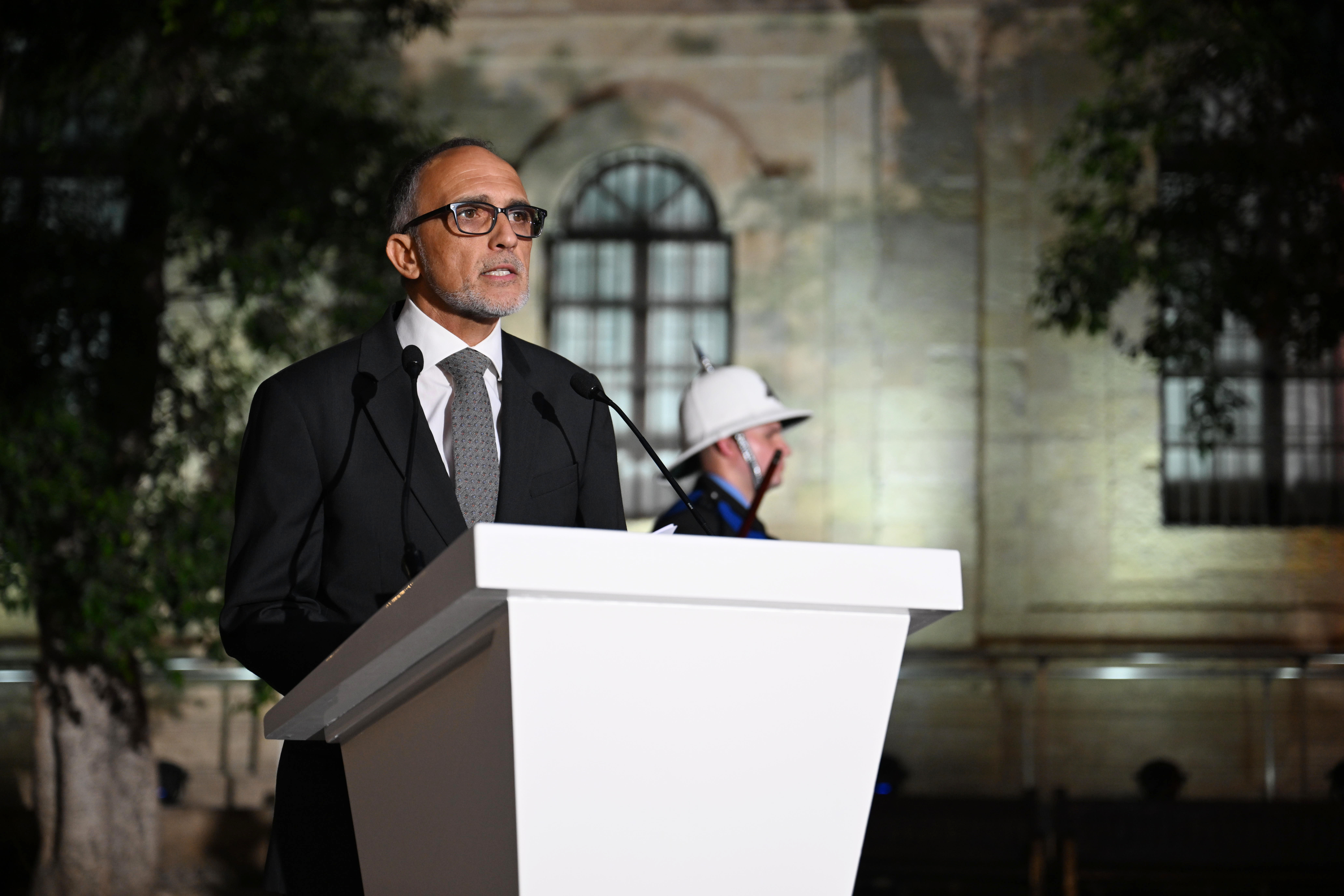
Adrian Grima is head of the Department of Maltese at the University of Malta, where he lectures on Maltese literature, and visiting lecturer at INALCO in Paris. He has written extensively in Maltese, English, and Italian in local and international publications on Maltese literature, culture, and literary representations of the Mediterranean. In 2013, he edited three titles in series on Juann Mamo (SKS) and led the first national interdisciplinary conference on the writer. In 2025, he edited the first publication of the oldest Maltese novel written by a woman, Concetta Brincat (1919), and organized an interdisciplinary conference on her work.
Prof. Grima co-edited The Teacher, Literature and the Mediterranean (Sense, 2014). His published studies include “The Mediterranean Novel Defying Borders”, based on a keynote speech at the University of Oxford and published in Minding Borders: Resilient Divisions in Literature, the Body and the Academy (Legenda, 2017); and “Elusive Mediterraneans: Reading Beyond Nation” in Sea of Literatures (de Gruyter, 2023). In 2026, he was a guest speaker at the University of Graz and the University of Pisa. adriangrima.com
Special thanks to my colleagues George Farrugia, Michael Spagnol, and Thomas Pace for their help with this speech, and to James Baldacchino and the National Archives for the information regarding the military service of my grandfather Arthur Mifsud.


XI HLEW ADRIAN. BIKKIMTNI META RAJT IR-RITRATTI TAZ-ZIJA NINA U IZ-ZIJU ARTHUR.
JOSETTE
Grazzi, Josette! Kemm huma sbieħ, hux?
BAGHTEW WISQ IL-FAMILJA TAGHNA.