
My book chapter on “Elusive Mediterraneans: Reading Beyond Nation,” which deals with conceptions and representations of the Mediterranean in Maltese literature, but also questions notions of “Mediterranean Literature,” has been published by de Gruyter in the book, Sea of Literatures: Towards a Theory of Mediterranean Literature (2023).
I’m so happy to see that this work is finally out. Thank you to the editors, Angela Fabris, Albert Göschl and Steffen Schneider, for their meticulous work on this book, which is Volume 3 in the series “Alpe Adria e dintorni, itinerari mediterranei.”
The many contributors include Karla Mallette, Sharon Kinoshita, Iain Chambers. Sara Izzo, and Daniel G. König.
My chapter is in Part I: Memories and Identities, which includes six chapters in all. The other contributions appear in: Part II: Social and Linguistic Spaces; Part III: Fictional Spaces; and Part IV: Conceptional Spaces..
ELUSIVE MEDITERRANEANS
Malta supposedly lies at the “heart” of the Mediterranean and Mediterraneanists expect its literature to be something like the very “essence” of the Mediterranean region, an expression, as it were, of its “rich culture and identity,” of Mediterranean connectivity.
And yet, Maltese literature in Maltese has, all in all, contributed little to the Mediterranean imaginary. It has bought into European stereotypes of Mediterranean spirit, culture, identity, and unity deconstructed by Michael Herzfeld and others, with their roots in colonial perspectives of Mediterranean backwardness. unruliness, and seductiveness.

The Maltese pre-Independence Romantics and the post-Independence Modernists were busy constructing, and recalibrating, the national imaginary, while the postnational, cosmopolitan generation that emerged in the 1990s, looked beyond the national and the regional.
READING BEYOND NATION
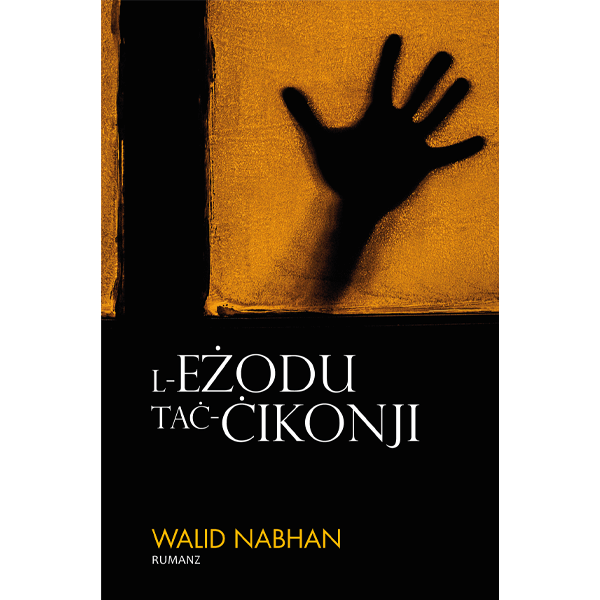
But there are notable exceptions, like poet Antoine Cassar, with his long poems Passaport and Mappa tal-Mediterran, and Walid Nabhan, the Amman born Palestinian Maltese writer with his prize-winning autobiographical novel, L-Eżodu taċ-ĊIkonji (The Exodus of the Storks), who acknowledge the discursive nature of representations of the Mediterranean and engage with them critically.
This study explores Maltese literature’s engagement with the Mediterranean imaginary and asks whether this evaluation has anything significant to contribute towards a theory of Mediterranean literature.
ABOUT THIS BOOK
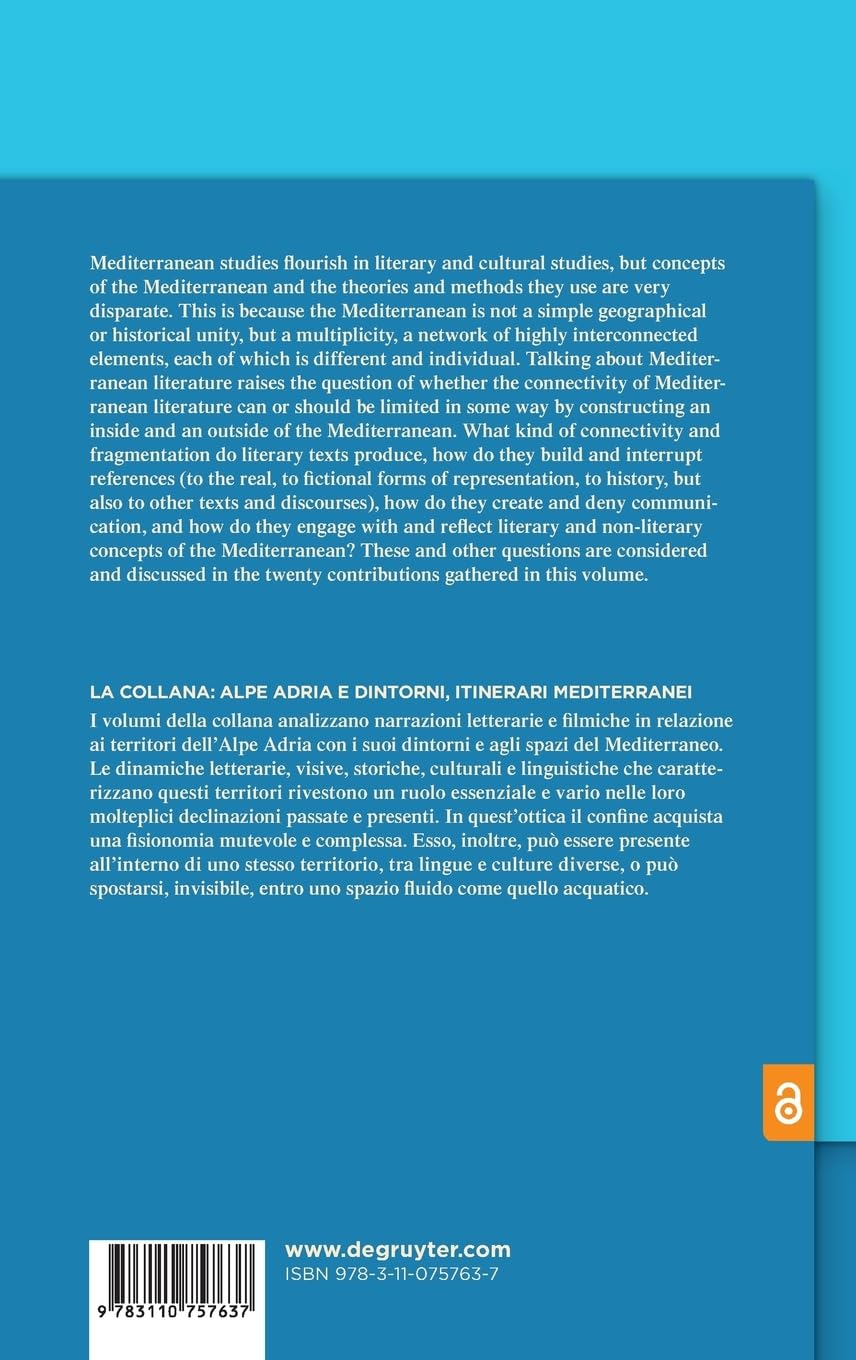
Mediterranean studies flourish in literary and cultural studies, but the concepts of the Mediterranean and the theories and methods they use are very disparate. This is due to the fact that the Mediterranean is not a simple geographical or historical unity, but a multiplicity, a network of highly interconnected elements, each of which is different and individual.
Talking about Mediterranean literature raises the question of whether the connectivity of Mediterranean literature can or should be limited in some way by constructing an inside and an outside of the Mediterranean. What kind of connectivity and fragmentation do literary texts produce, how do they build and interrupt references (to the real world, to history, but also to other texts and discourses), how do they create and deny communication, and how do they take up and reflect literary and non-literary concepts of the Mediterranean?
These and other questions will be discussed and answered in the over twenty contributions gathered in this volume.

 adriangrima.org